Skip to content

Carts & Racks

Commercial Carts & Racks in Toronto & Canada

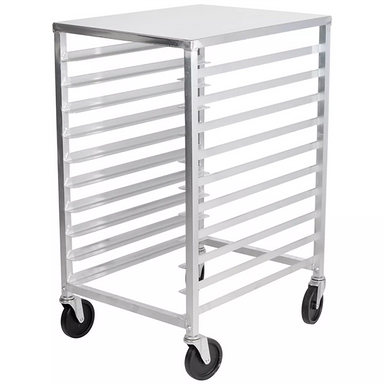
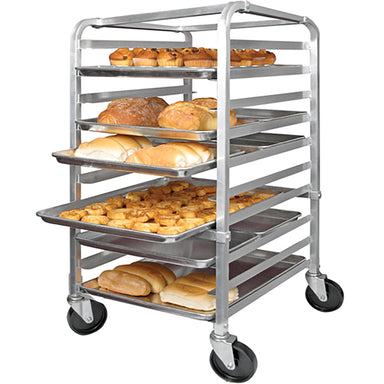
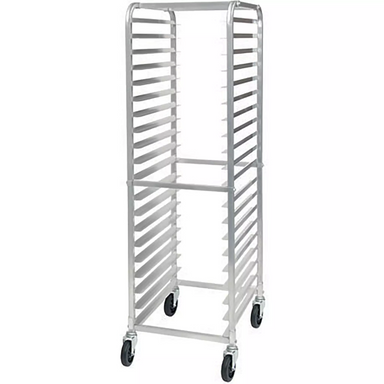
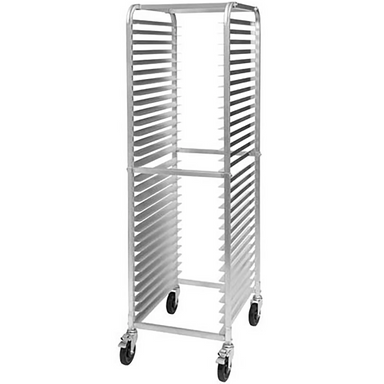
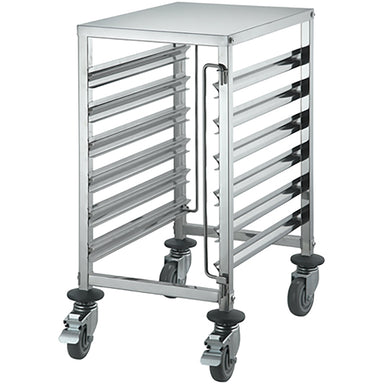
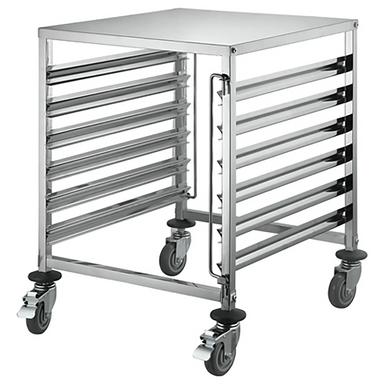
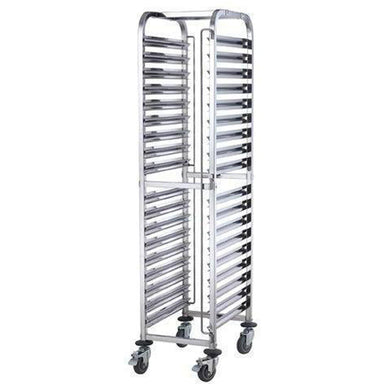
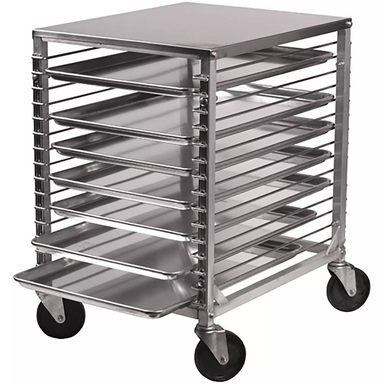
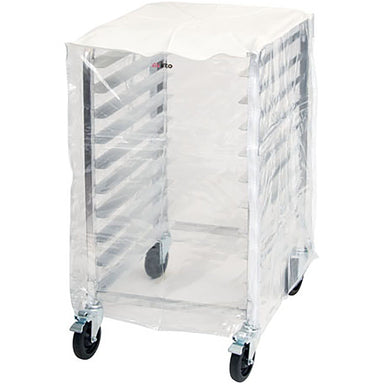
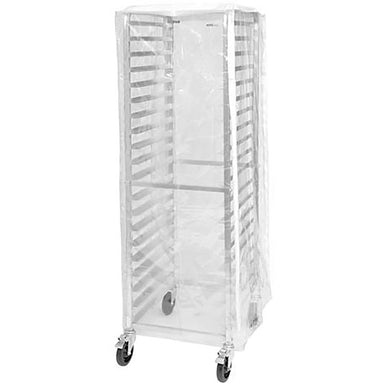
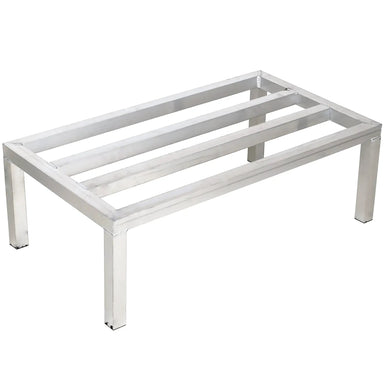
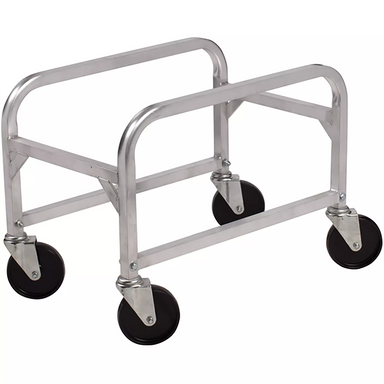
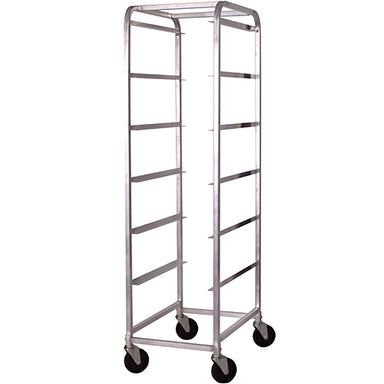
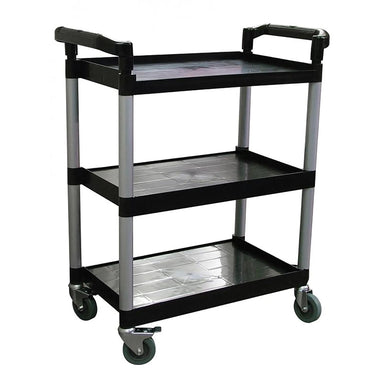
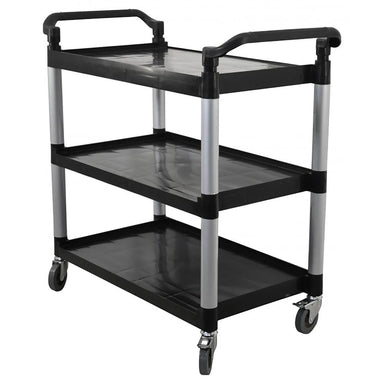
Getting pans, bins, and bulk stock off the floor and moving through a kitchen efficiently is what this collection is built for. Winco's sheet pan rack lineup covers 10 to 30 tiers of bakery-standard spacing, and the Winco SRK-36 Steam Table Pan Rack does the same job for steam table and food pans. Atosa's welded aluminum racks, like the Atosa SPA16K1824X 15-Tier Sheet Pan Rack, are a heavier-duty alternative built for daily rolling in and out of a walk-in. Metro and Omcan's plastic utility carts handle general transport around the kitchen, while Winco's aluminum bus bin racks and lug box cart keep dish rooms organized. Phoenix's aluminum dunnage racks keep bulk cases and bags off the floor and away from moisture, which most health codes require. Curtron's insulated covers protect a loaded rack in transit, and Unox's combi oven rack and trolley moves 16 full pans in and out of a combi oven in one trip. No matter where you're located — a bakery in Toronto, a catering kitchen in Mississauga, or right here in Vaughan — Phoenix Food Equipment gets carts and racks to you across the GTA and nationwide across Canada.

Frequently Asked Questions

Common questions we hear from operators.

How many tiers should a sheet pan rack have?

Tier count depends on how many pans need to be in rotation at once, not just kitchen size. A 10-tier rack like the Winco ALRK-10 Sheet Pan Rack works well for a smaller bakery program or a single prep shift, while a 20- or 30-tier rack fits a high-volume bakery running multiple bake cycles at once and needing somewhere to stage everything before it goes into the oven. Spacing matters too — most racks run 3-inch spacing between tiers for standard sheet pans, though covered models add zipper enclosures to keep dust and pests off pans waiting to bake or cool. If pans are backing up on prep tables between bakes, that's the clearest sign to move up a tier count.

What's a dunnage rack, and do I need one?

A dunnage rack is a low, open-slat platform — usually just a few inches off the floor — that holds bulk cases, bags, and sacks of dry goods up off a walk-in or storage room floor. Most health codes require food to be stored at least 6 inches off the ground, and a dunnage rack is the standard way to meet that without building full shelving for oversized or bagged items that don't fit a normal shelf. It also keeps product away from floor moisture and makes it easier to spot pests or leaks underneath. Any kitchen storing flour sacks, canned goods by the case, or produce bags on the floor of a walk-in or dry storage room needs one to stay code-compliant.

What's the difference between a bus cart and a utility cart?

A bus cart (or bus bin cart) — like the Winco ABBC-6 Aluminum 6-Tier Bus Bin Rack — is built specifically to hold bus bins, the plastic totes servers use to clear dirty dishes, with open racks sized to stack those bins securely while rolling through a dining room. A general utility cart is a flatter, shelf-style cart meant for moving anything from prep ingredients to catering supplies, without bin-specific slots. If the job is bussing tables and getting dishes to the dish pit, a bus cart keeps bins from sliding; for general transport around the kitchen or between stations, a standard utility cart is more flexible.