Skip to content

Vacuum Packaging Machines

Commercial Vacuum Sealers & Packaging Machines in Toronto & Canada

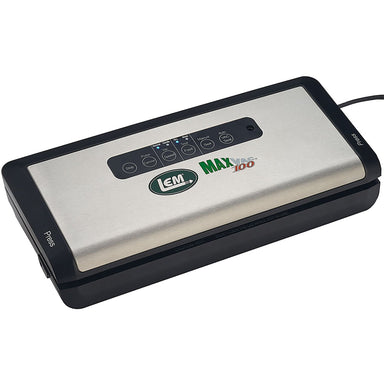
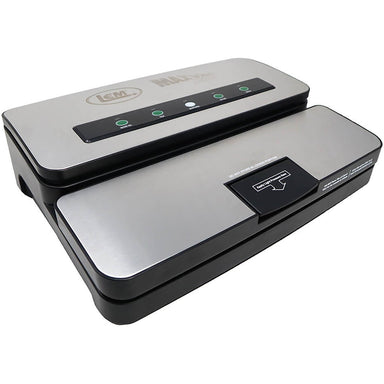
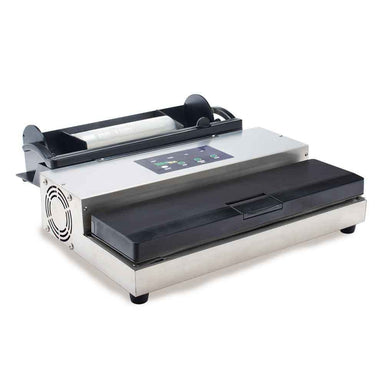
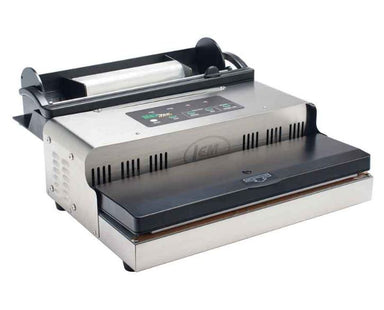
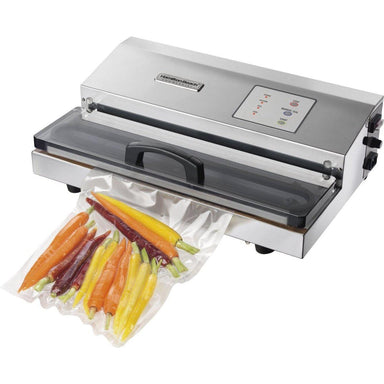
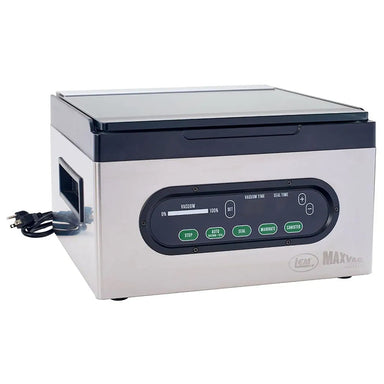
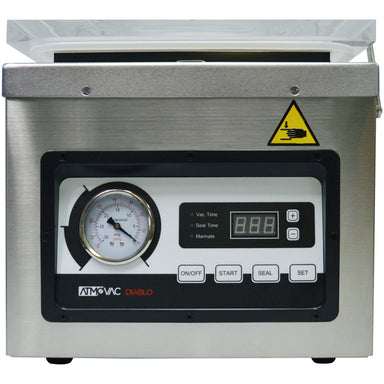
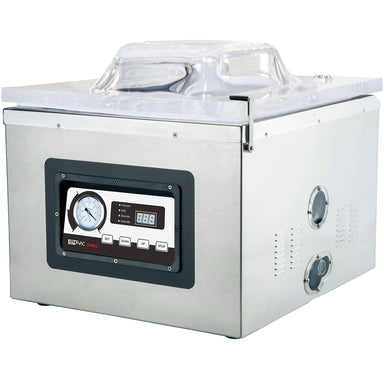
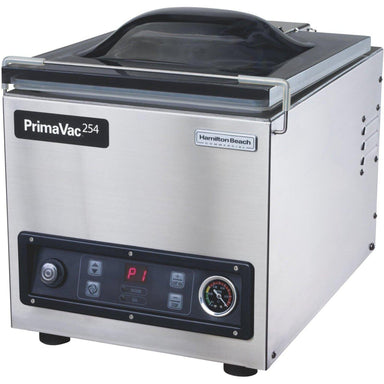
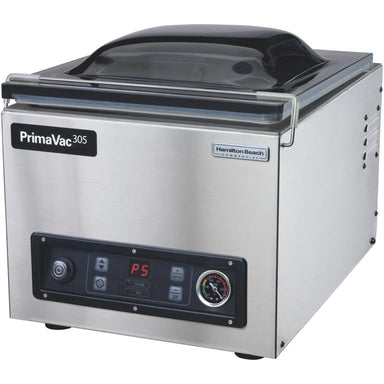
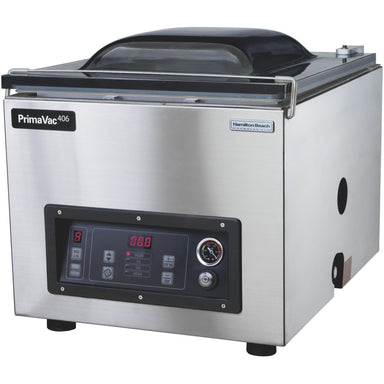
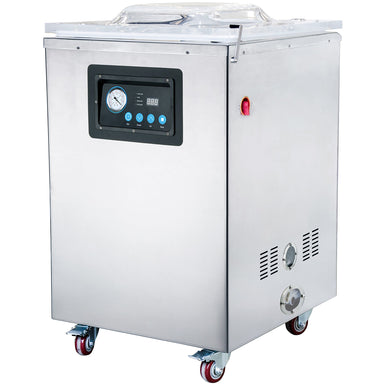
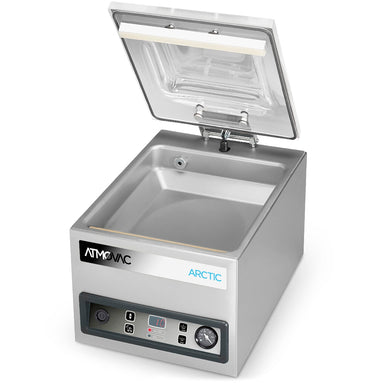
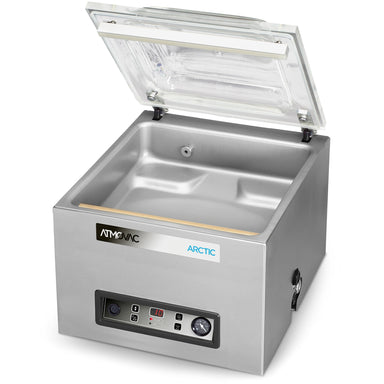
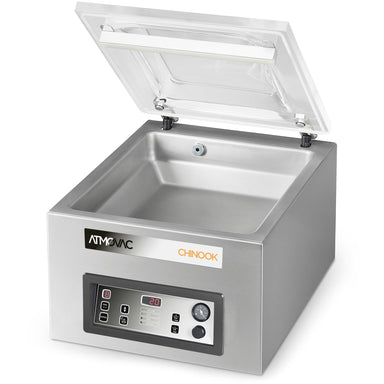
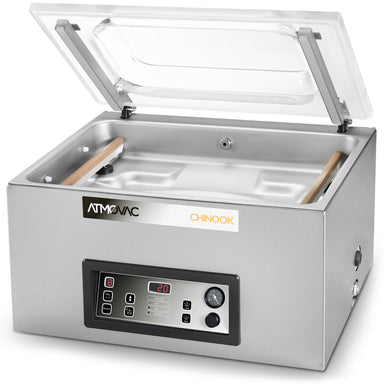
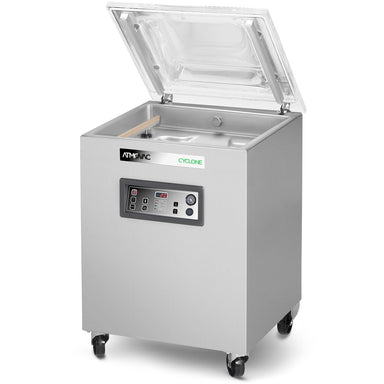
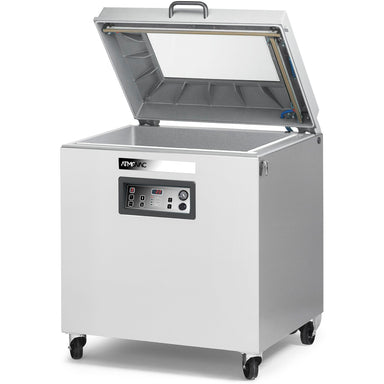
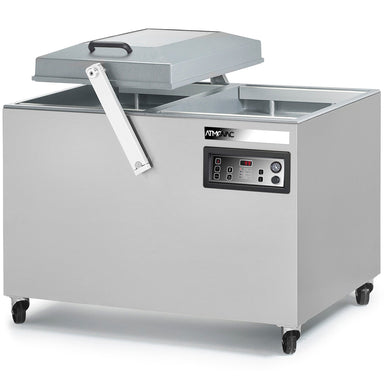
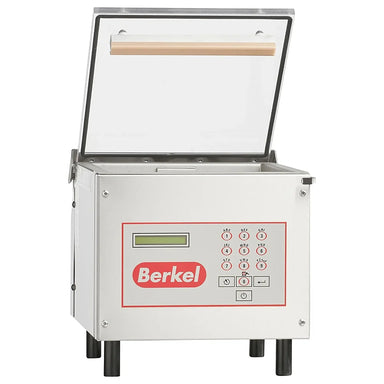
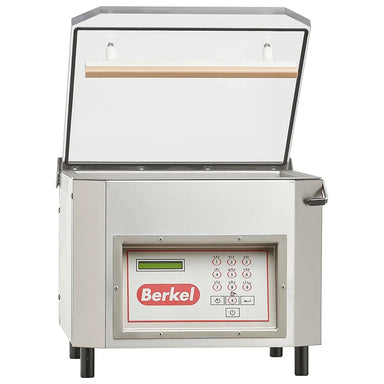
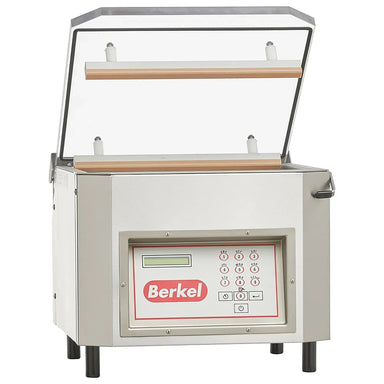
Vacuum packaging pulls air out of a bag or chamber before sealing, which slows spoilage, prevents freezer burn, and makes portioning and sous vide prep easier. Phoenix Food Equipment's Vacuum Sealers & Packaging Machines collection runs from compact, out-of-chamber sealers up to large-format, high-volume chamber machines. Our LEM lineup covers the out-of-chamber side, from the MaxVac 100's 12" seal bar up to the MaxVac 1000, rated for 1,000 consecutive seals without cooling down. VacMaster is our widest chamber lineup, spanning compact countertop units up to double-chamber machines built for high-volume operations, with several models adding a gas flush feature for packaging delicate ingredients. Eurodib rounds things out with its Atmovac Diablo, Arctic, Chinook, Cyclone, Pampero, and Solar series, covering everything from budget-conscious foodservice chamber sealers up to oversized, high-throughput production units. We also carry Hamilton Beach, Globe, Berkel, Winco, and Unox chamber sealers, plus vacuum bags to match. From a small restaurant in Toronto to a busy commissary in Mississauga, we deliver vacuum packaging machines across the GTA — Markham and Hamilton included — and nationwide across Canada, right from our home base in Vaughan.

Frequently Asked Questions

Common questions we hear from operators.

What's the difference between an out-of-chamber and a chamber vacuum sealer?

An out-of-chamber vacuum sealer, like our LEM MaxVac lineup or the Hamilton Beach HVS400R, seals a bag from the outside — you insert the open end into the machine, and an external seal bar pulls air out through it before sealing. It's compact, affordable, and fast for everyday portioning, but it struggles with liquids and marinades since they can get pulled into the pump. A chamber vacuum sealer, like our VacMaster and Eurodib lineups, instead places the entire bag inside a sealed chamber and removes air from the whole chamber at once, so liquids, marinades, and sous vide bags seal cleanly every time. Chamber machines cost more and take up more counter space, but they're the standard for a busy kitchen doing regular vacuum work.

What does the gas flush feature do on a chamber vacuum sealer?

Gas flush replaces the oxygen inside the bag with an inert gas — usually nitrogen or a nitrogen/CO2 blend — instead of pulling a full vacuum. That protects delicate or fragile items like chips, baked goods, and soft cheeses from being crushed flat the way a standard vacuum seal would, while still displacing the oxygen that causes spoilage and staleness. Several of our VacMaster models (the VP545, VP600, VP680, and VP800) and the Hamilton Beach HVC406 include gas flush as a built-in feature, so if you're packaging anything that can't handle being compressed, look for that option specifically rather than a standard chamber sealer.

How do I choose the right size vacuum sealer for my kitchen?

Start with your chamber size and bag size — a compact unit like the VacMaster VP95, with a 9.5" x 10.5" chamber, suits smaller portions and lower volume, while something like the VacMaster VP800 or Eurodib's Solar and Pampero series, with double chambers built for continuous high-volume runs, suits a commissary or production kitchen sealing constantly through a shift. Cycle time matters too — most of our chamber machines run 20 to 60 seconds per seal, so a double-chamber unit effectively doubles your throughput by sealing two batches back to back. We carry sizes across that whole range, so you can match the machine to how much you're actually packaging, not just your budget.