Skip to content

Stainless Steel Tables

Commercial Stainless Steel Tables in Toronto & Canada

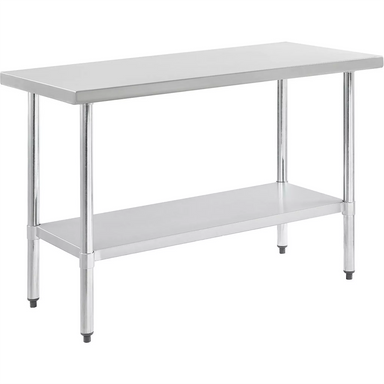
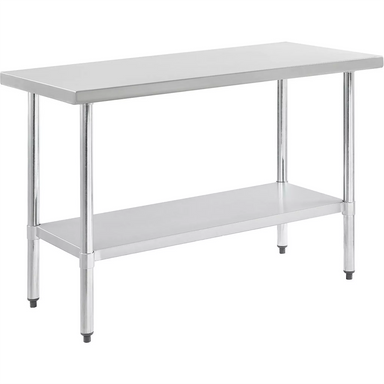
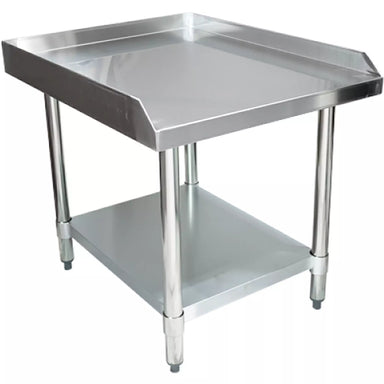
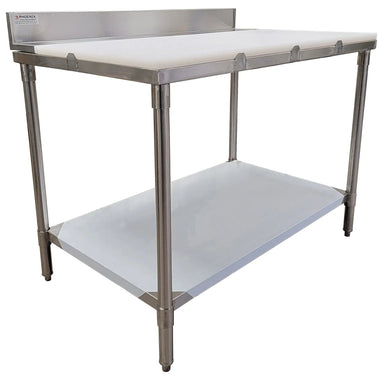
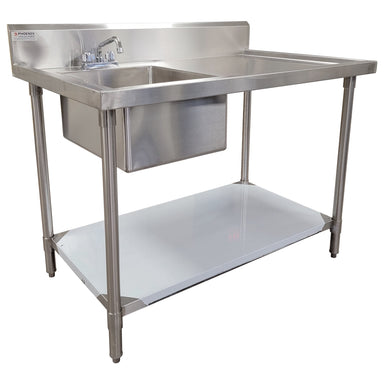
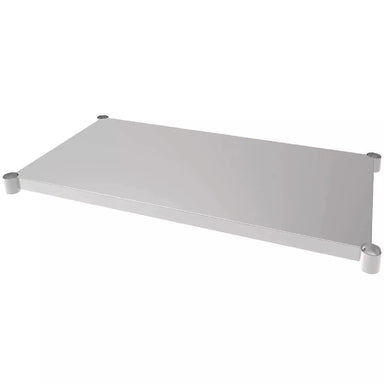
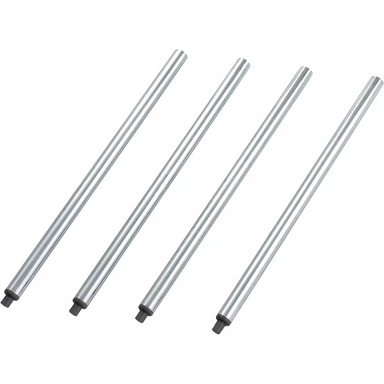
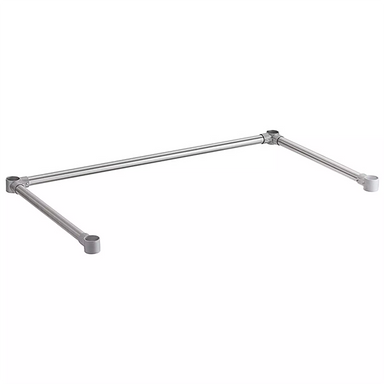
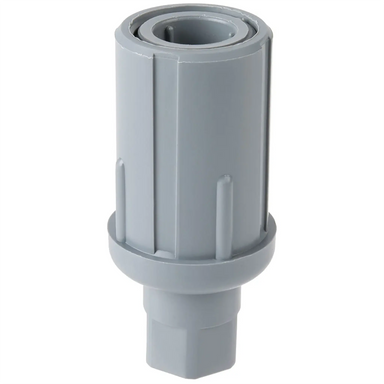
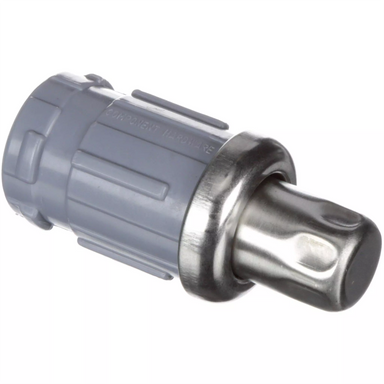
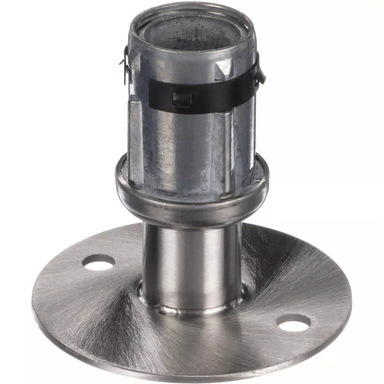
This collection covers every stainless steel table a busy kitchen puts to use, plus the hardware to customize it. The Phoenix ECONOMY Work Tables use 18-gauge 430 stainless for lighter-duty prep on a budget, while the Phoenix PREMIUM Work Tables step up to 16-gauge 304 stainless for busier lines and wet stations. The Phoenix Heavy Duty Butcher Tables go further, pairing a 16-gauge top with a full 1-inch cutting board for portioning and breakdown work that would chew through a standard surface. Phoenix Heavy Duty Sink Tables build a 16-gauge sink with a 6-inch backsplash and marine edge into the table, for prep stations that need water on hand without a separate freestanding sink, and the Phoenix Equipment Stand gives mixers and other countertop equipment a dedicated, sturdy base. The accessory range sets this collection apart — casters, adjustable feet, leg anchors, under shelves, and drawers let a stock table get built out to whatever height, mobility, or storage a station needs. Omcan's meat grinder table rounds things out with a purpose-built butchery surface. We stock and ship stainless steel tables out of Vaughan to kitchens across Toronto, Mississauga, Markham, and Brampton, and to the rest of Canada beyond the GTA.

Frequently Asked Questions

Common questions from operators buying this kind of equipment.

What's the difference between a butcher table and a regular work table?

A butcher table pairs a stainless steel frame with a full 1-inch cutting board bonded to the top, built to absorb the repeated impact of breaking down meat, poultry, or fish with a knife or cleaver, which would chip or dull a blade fast on bare stainless. A standard stainless steel work table has a flat metal top instead, better suited to general prep, plating, or staging where the work doesn't involve constant chopping directly on the surface. If a station regularly uses a cutting board anyway, a butcher table just builds that surface in permanently instead of replacing a loose board every few months. For anything wet or acidic — produce prep, saucing — a standard stainless top is still the better choice, since a cutting board absorbs moisture and odour over time.

Do I need casters or fixed feet on my stainless steel table?

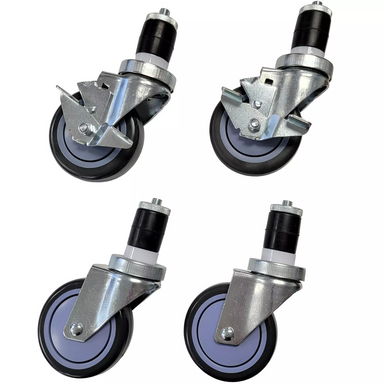
Casters — like the Phoenix 4" Casters For Stainless Steel Tables — make sense for a table that needs to move: pulled out from the wall for cleaning, repositioned for a different prep flow, or rolled between stations during a shift. Fixed, adjustable feet are the better choice for a table that stays put permanently, since they sit lower, hold weight more stably, and won't drift or roll under pressure from heavy prep work. A table with casters also sits a couple inches taller once the wheels are added, which matters if it needs to line up with adjacent equipment or a pass-through window. Many kitchens compromise with locking casters, which roll when needed and lock solid for everyday use — check that any caster set includes brakes on at least half the wheels before ordering.

What's a sink table, and when do I need one instead of a separate sink?

A sink table combines a stainless steel work surface with a built-in sink basin, backsplash, and marine edge in one welded unit, rather than a standalone sink and a separate table pushed together. It saves floor space and eliminates the seam where a freestanding sink would otherwise meet a table edge — a common spot for water and debris to collect. Sink tables make the most sense for a dedicated prep station that needs both water and counter space in the same footprint, like vegetable prep or a small bar setup, rather than a full dishwashing line where a standalone multi-compartment sink and separate tables usually make more sense. If the station is tight on space and only needs one basin, a sink table is the more efficient build.