Skip to content

Grease Traps

Commercial Grease Traps in Toronto & Canada

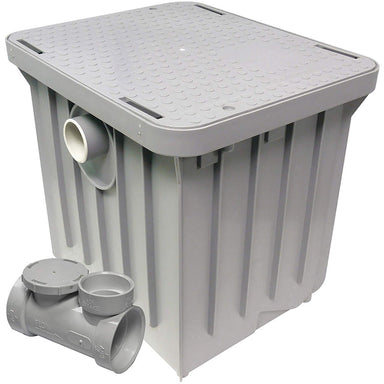
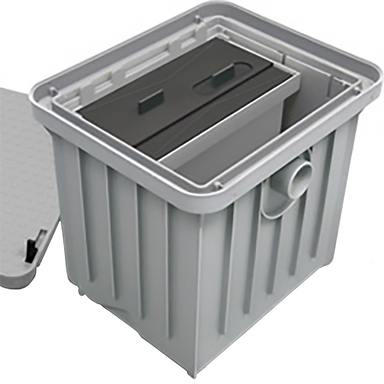
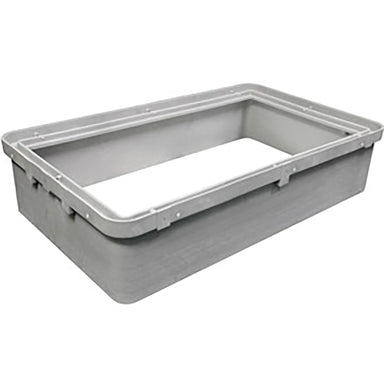
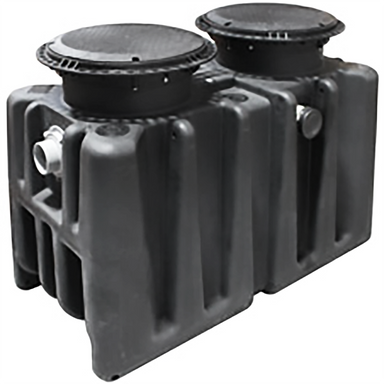
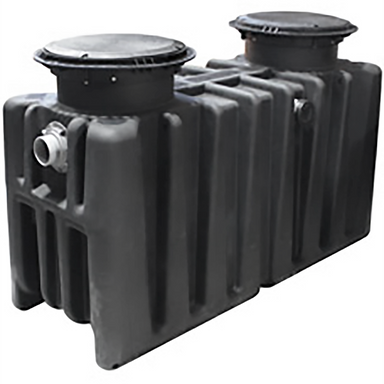
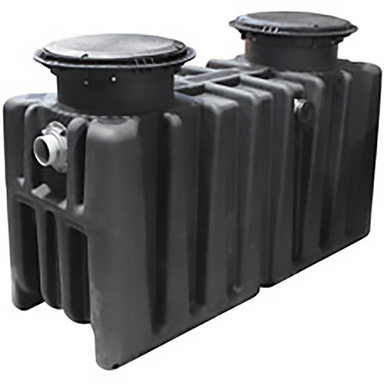
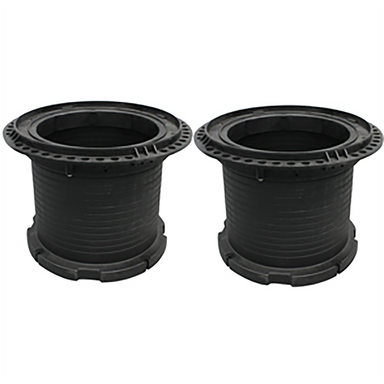
Any commercial kitchen with a dishwasher, fryer, or other equipment sending fats, oils, and grease down the drain needs a grease trap — it's a code requirement in most Canadian municipalities, not an optional upgrade, and skipping one risks fines or a blocked sewer line. Our full Canplas Endura lineup runs from the standard Canplas Endura Grease Traps - 7 to 50 GPM sizes for most restaurant kitchens up to the Canplas Endura XL 100 GPM Grease Trap and Canplas Endura XL 150 GPM Grease Trap for high-volume operations like banquet halls and commissary kitchens. Sizing depends on flow rate, not kitchen size — Canplas's online calculator or your plumbing inspector can confirm exactly what your bylaw requires. A Canplas Endura 3911A02 Solids Interceptor sits ahead of the main trap to catch food debris before it builds up, so you're not opening the smelly trap itself every time it needs clearing, and Canplas Endura 6" Riser for Grease Traps extensions bring the lid level with the floor. Every trap ships CSA approved with a 10-year warranty. Phoenix Food Equipment is based right here in Vaughan and ships grease traps across the GTA — Toronto, Mississauga, Markham, and Brampton included — plus nationwide across Canada.

Frequently Asked Questions

Common questions we hear from operators.

What size grease trap do I need for my restaurant?

Grease trap sizing is based on flow rate (measured in gallons per minute, or GPM), not square footage or seat count — it depends on your fixture count, drain line size, and how much wastewater your kitchen produces per minute. Our standard Canplas Endura Grease Traps - 7 to 50 GPM cover most single-location restaurant kitchens, while the larger Canplas Endura XL 75 GPM Grease Trap and its 100 and 150 GPM siblings step up for high-volume operations like banquet halls, ghost kitchens, and commissaries running multiple lines at once. Canplas's online sizing calculator walks through the math using your fixture list, or your local plumbing inspector can confirm the exact GPM your municipality requires before you order — undersizing is one of the most common reasons a grease trap fails inspection.

What's the difference between a grease trap and a grease interceptor?

Functionally, they do the same job — separating fats, oils, and grease from wastewater before it hits the municipal sewer — and the terms get used interchangeably in casual conversation. Some plumbing codes use “grease trap” for smaller, under-sink or in-kitchen units and reserve “grease interceptor” for larger, higher-capacity systems, sometimes installed outside or underground, but that split isn't universal and varies by municipality. What matters for compliance is capacity (GPM) and installation location, not which word is on the spec sheet. A Canplas Endura 3911A02 Solids Interceptor is a related but different product — it's an add-on that sits ahead of the main trap to catch solid food debris, not a stand-alone grease trap itself.

How often does a grease trap need to be cleaned or pumped out?

Most municipalities require pumping and cleaning on a set schedule — commonly every one to three months for a standard-sized trap in an active kitchen, though high-volume operations on larger units like the Canplas Endura XL 150 GPM Grease Trap may need it more often. A trap that's over 25% full of grease and solids is considered due for cleaning under most bylaws, whether or not the scheduled date has arrived. Skipping cleanings lets grease build up past the trap's working volume, which sends it downstream into the municipal line — exactly what the trap exists to prevent. A Canplas Endura 6" Riser for Grease Traps makes routine access easier by keeping the lid at floor level instead of below grade.