


Winco
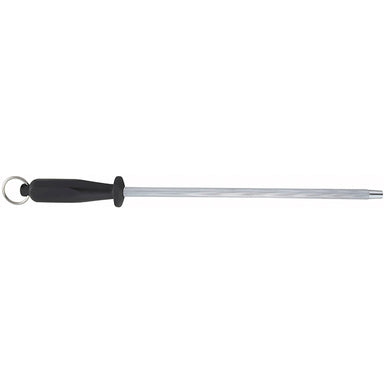
Winco Sharpening Steel - Various Sizes
Features & Specifications: Sharpen your knives quickly and effectively Hook for easy hanging and access
Features & Specifications: Sharpen your knives quickly and effectively Hook for easy hanging and access
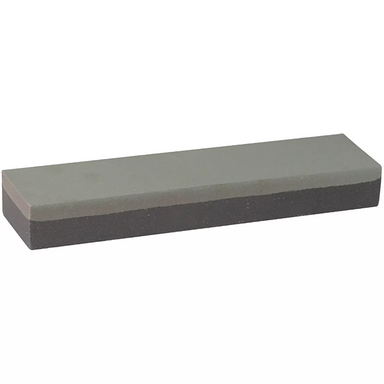
Features & Specifications: Top-grade carbonized silicon Fine and medium grain 8" x 2"x 1"
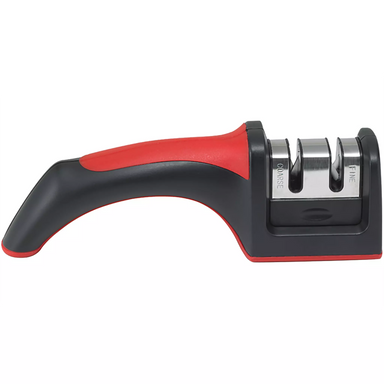
Features & Specifications: Soft-grip ergonomic handle with non-skid base Coarse carbide steel blades for sharpening and ceramic rods for honing
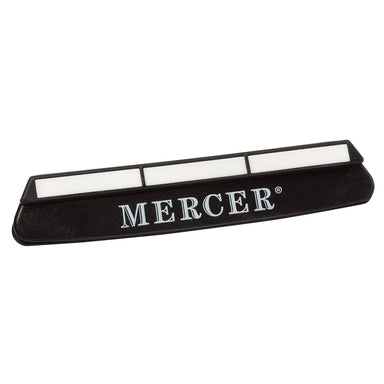
Features & Specifications: Ceramic inserts for longer life 3/4" x 4" For use on chef knives 6" and larger 90 days limited warranty
Common questions we hear from operators.
A steel is for honing, meaning it straightens the edge between sharpenings rather than grinding away much metal. Rest the tip of the steel on a stable surface, hold the knife at roughly a 15 to 20 degree angle, and draw the blade down the steel from heel to tip with light pressure. Repeat a few strokes on each side. Cooks often do this at the start of a shift or whenever a knife begins to feel less crisp. The Winco Sharpening Steel comes in various sizes and has a hook for hanging within easy reach. When honing no longer brings the edge back, the blade needs actual sharpening, and that's when to reach for the Winco Dual Stage Knife Sharpener or a stone.
Most bench stones, including silicon carbide ones, are used with a little water or honing oil, which helps carry away the metal particles as you work. Check the guidance that comes with your stone, and once a stone has been used with oil, keep using oil on it. The Winco Combination Sharpening Stone is made of carbonized silicon and measures 8" x 2" x 1", with a medium side to reshape a worn edge and a fine side to finish it. You'll want a stone when knives are too dull for a steel and you'd like more control than a pull-through sharpener gives. The Mercer Culinary Knife Sharpening Guide has ceramic inserts and is made for chef knives 6" and larger, so it makes a useful companion.
They can be, if they're used too aggressively, because a grinding wheel removes metal much faster than a steel does. Used sensibly, a good electric sharpener saves time and gives consistent results. The Waring WKS800 grinds at 18 to 22 degree angles, so check that your knives fall in that range. It comes with a coarse and a fine grinding wheel plus a stropping wheel that spins the opposite way to polish the blade and remove the burr. Metal shavings collect in a magnetized drawer for easy cleanup. A good routine is to use the fine wheel for regular touch-ups, save the coarse wheel for badly dull blades, and hone with a steel in between.