Skip to content

Stainless Steel Cabinets

Commercial Stainless Steel Cabinets in Toronto & Canada

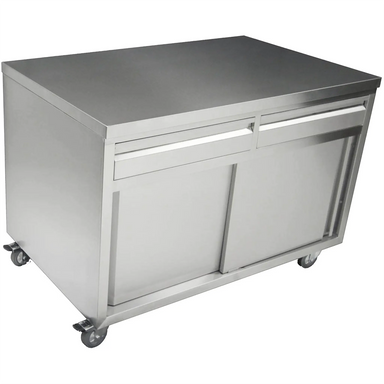
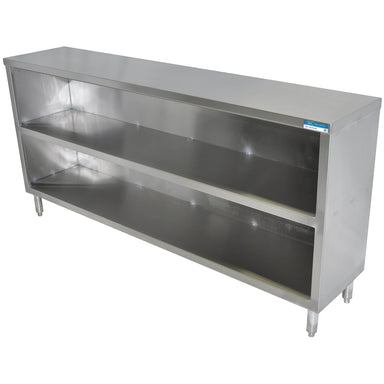
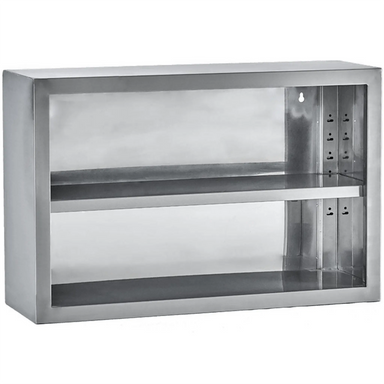
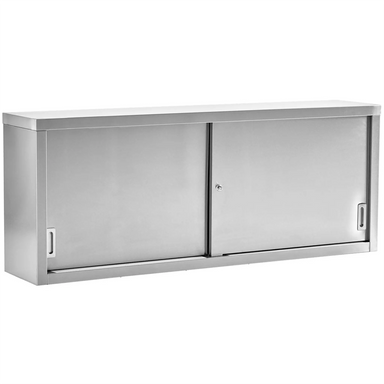
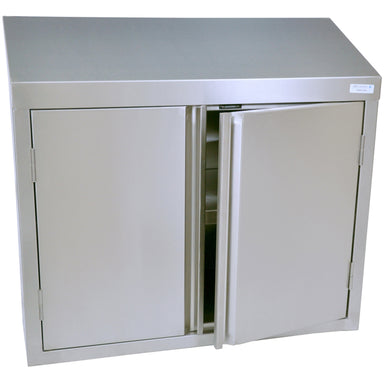
Keeping clean dishes and glassware protected from dust, off open shelving, is what this collection is built for. The Phoenix PODC Series Open Dish Cabinet stores bulk dishware on open shelves for fast access, while the Phoenix POWC Series Open Wall Cabinet mounts that same open storage overhead to free up floor space. For dishware that needs to stay fully enclosed, Omcan and Thorinox both build closed cabinets, several with add-on drawers for utensils and small tools. BK Resources rounds out the lineup with open and closed cabinets in matching standard depths, so a cabinet run can mix brands without breaking the sightline. Wall-mounted models suit tight dish rooms, while floor cabinets hold more volume for a busy banquet kitchen. Phoenix Food Equipment is based right here in Vaughan and ships stainless steel cabinets across the GTA — Toronto, Mississauga, Markham, and Brampton included — plus nationwide across Canada.

Frequently Asked Questions

Common questions we hear from operators.

What's the difference between an open and a closed dish cabinet?

An open dish cabinet has exposed shelves, like the Phoenix PODC Series Open Dish Cabinet, so dishes and glassware are visible and easy to grab mid-rush without opening a door first. A closed cabinet — the style Omcan and Thorinox both build — adds hinged or sliding doors that keep dust, grease splatter, and pests off dishware between uses, which matters more in a kitchen near a fryer or grill line than it does for a quiet service area. Open cabinets also make a quick visual inventory check easier, since nothing needs to be opened to see what's low. If the cabinet sits somewhere airborne grease or steam is a regular concern, closed doors are worth the extra reach; otherwise open shelving is faster in daily use.

Should I mount a wall cabinet or use a floor-standing dish cabinet?

A wall-mounted cabinet, like the Phoenix POWC Series Open Wall Cabinet or the BK Resources BKWCH Series Wall Cabinet, keeps the floor completely clear underneath, which matters most in a tight dish room or a narrow prep aisle where every square foot counts. A floor-standing dish cabinet holds more volume and doesn't require anchoring into a wall, making it the simpler choice for a kitchen without stud backing in the right spot or one that expects to move equipment around later. Wall cabinets do need secure anchoring into studs or blocking, not just the wall surface itself, since a fully loaded unit gets heavy fast. For a banquet kitchen storing large volumes of dishware, floor cabinets generally win on capacity alone.

What's the best way to keep a stainless steel cabinet from staining or rusting?

Stainless steel resists rust on its own, but it isn't rust-proof — mineral deposits from hard water, leftover food acids, or steel wool pads used for cleaning can all leave surface spotting that looks like rust over time. Wiping cabinets down with a mild detergent and warm water, then drying the surface instead of air-drying, prevents most water spotting before it starts. A non-abrasive stainless cleaner or a light coat of food-safe oil applied occasionally keeps the finish from dulling in high-humidity dish rooms. Cleaning with the grain of the brushed finish, rather than across it, also helps avoid scratches that trap grime and become harder to keep clean over time.