Skip to content

Commercial Dishwashing

Commercial Dishwashing in Toronto & Canada

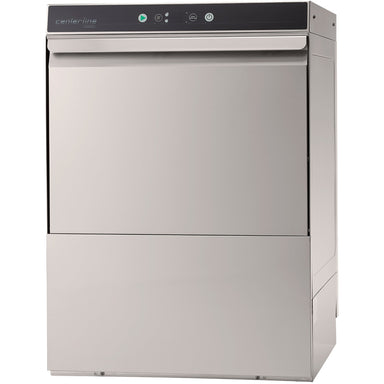
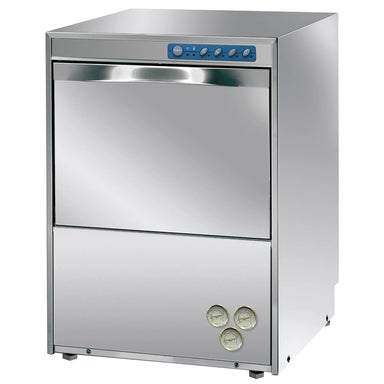
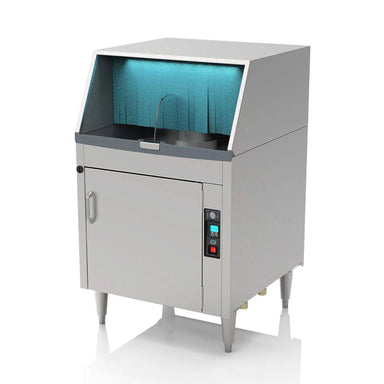
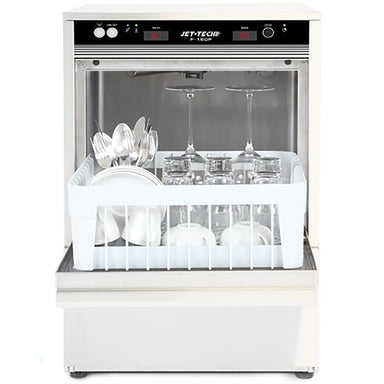
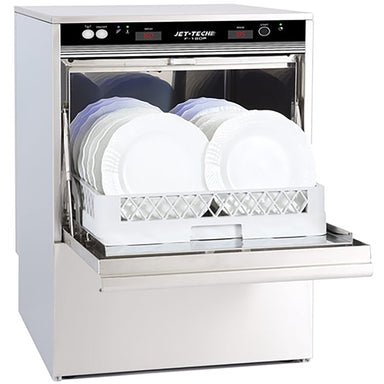
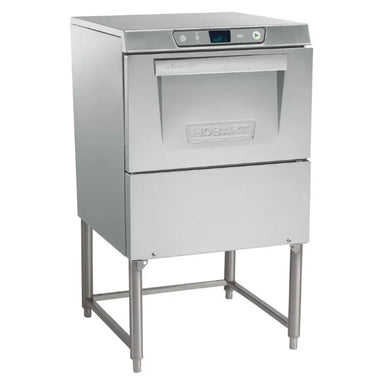
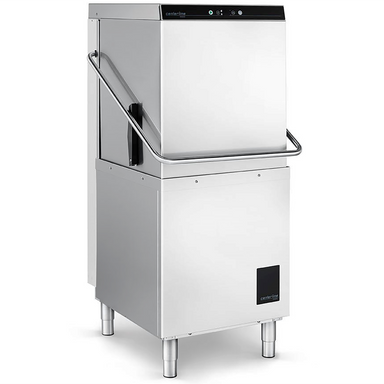
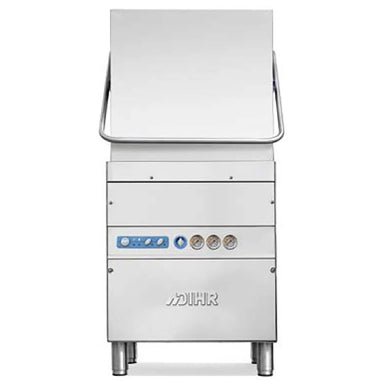
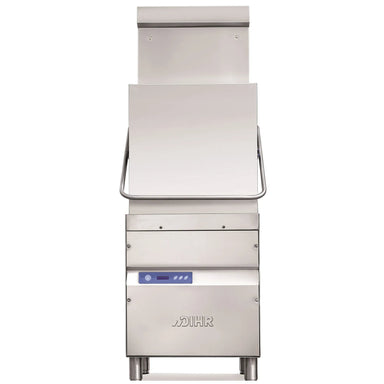
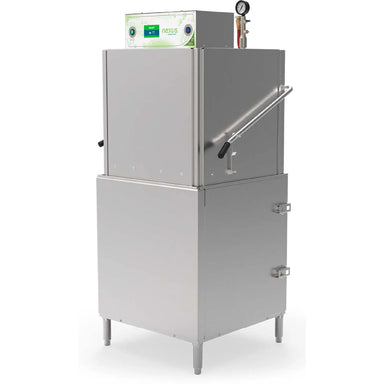
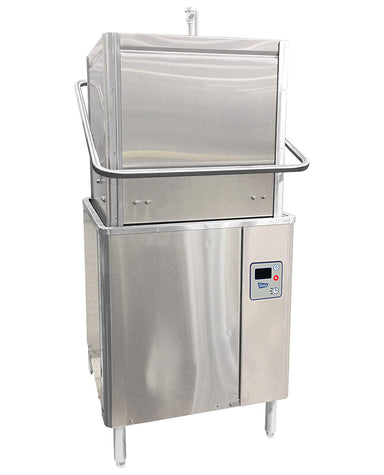
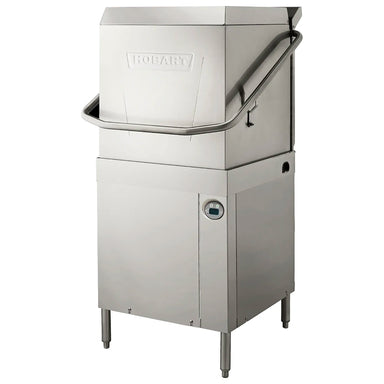
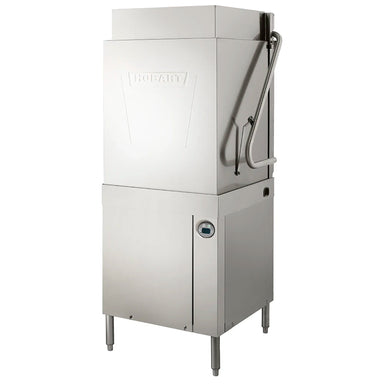
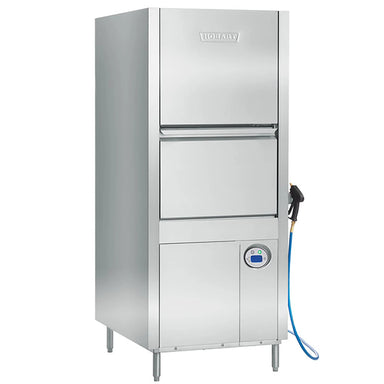
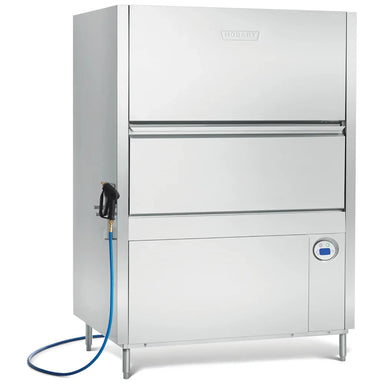
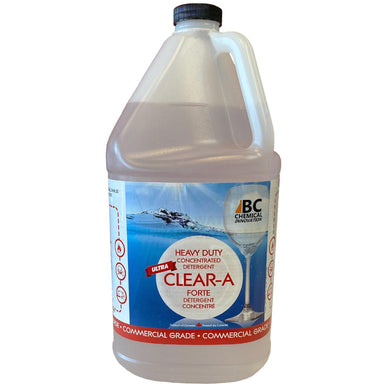
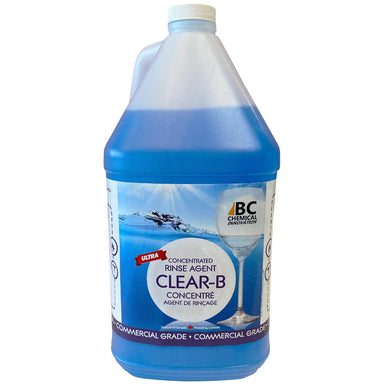
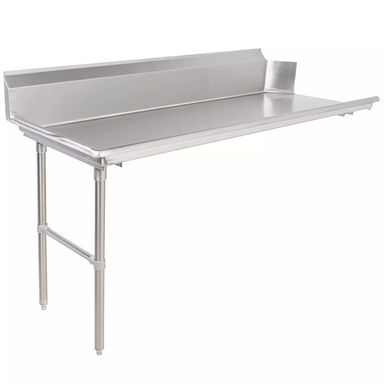
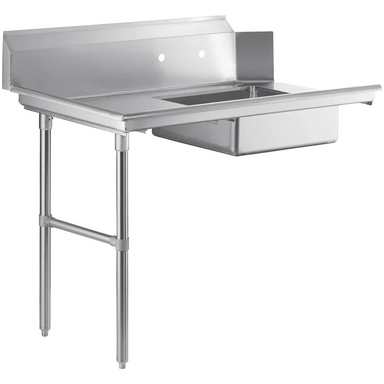
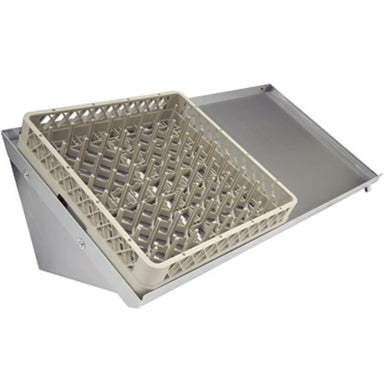
A commercial dish room needs more than a dishwasher — it needs a machine that keeps up with volume, tables to stage dishes before and after the wash, and the chemicals that keep everything sanitized. For the washer itself, Hobart is the name most kitchens recognize, and the Hobart Centerline CUH-1/CUL-1 Under Counter Dishwasher fits most restaurants that don't have room for a full hood-type machine; DIHR, Moyer Diebel, and Stero round out the lineup with similarly built high-temp and low-temp options in under-counter and hood-type/pass-through styles for higher-volume operations. Our own Phoenix dish tables and pre-rinse basket, alongside Thorinox's single, double, and triple basin dish washing sinks, give staff a place to scrape, stack, and stage dishes. Omcan and BK Resources supply the glass racks, cup extenders, and rack cabinets that keep glassware organized between washes, and BC Chemical rounds out the lineup with a matched detergent, rinse aid, and sanitizer system. Serving Vaughan and the wider GTA — including Toronto, Mississauga, Markham, and Brampton — Phoenix Food Equipment ships commercial dishwashing equipment nationwide across Canada.

Frequently Asked Questions

Common questions we hear from operators.

What's the difference between a high-temp and low-temp commercial dishwasher?

High-temp machines sanitize with a final rinse around 180°F, using heat alone with no chemical sanitizer needed — most of what's on this page, including our Hobart and DIHR lines, runs high-temp. Low-temp machines sanitize chemically instead, with a lower-temperature rinse around 120°F paired with a sanitizing chemical, which uses less energy and skips the booster heater; our Stero SUH-1/SUL-1 Under Counter Dishwasher is available in either mode from the same base unit. High-temp needs a dedicated booster heater and steady hot water supply; low-temp needs a steady, correctly dosed sanitizing chemical like BC Chemical's Clear-C. Kitchens without room or budget for a booster heater usually lean low-temp instead.

Under-counter vs. hood-type (pass-through) dishwasher — which does my kitchen need?

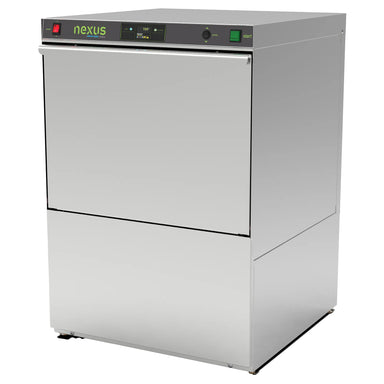
Under-counter machines sit below the counter like a residential dishwasher, running one rack of dishes through a longer cycle — they're the right fit for smaller kitchens, bars, and cafes with lower dish volume, and machines like our Hobart Centerline CUH-1/CUL-1 or Moyer Diebel NEXUS N900 cover that range well. Hood-type (pass-through) machines are larger, faster, and built for volume — an operator lifts the hood, slides a rack through, and the machine runs a rack every 60-90 seconds, which is what a busy full-service restaurant or banquet kitchen needs. If dish volume backs up during a rush with an under-counter unit, it's usually a sign to move up to hood-type; if the kitchen is small or turnover is steady rather than in bursts, under-counter is plenty.

What temperature does a commercial dishwasher need to reach to sanitize dishes?

Most health codes require a final sanitizing rinse of at least 180°F for high-temp machines, measured right at the dish surface, not just inside the tank — that's why our Hobart and DIHR hood-type machines include a booster heater built to hold that temperature under load. Low-temp/chemical-sanitizing machines run a cooler rinse, typically 120-140°F, but need to hit a specific sanitizer concentration instead, checked with test strips rather than a thermometer. Either way, most jurisdictions require a visible gauge or thermometer at the machine and periodic testing to confirm dishes are actually reaching sanitizing conditions, not just running through a cycle. Check with your local health authority for the exact numbers in your municipality, since requirements can vary.