Please note, our google maps location is not functioning correctly from the google app. The directions function will lead you to Tommy Douglas, which is not correct. We are working quickly to rectify this with Google. The directions function from our contact page is working correctly. You can get to the contact us page by clicking on this banner. Thank you for your patience, and our apologies for any inconvenience.
Skip to content

Commercial Toasters

Commercial Toasters in Toronto & Canada

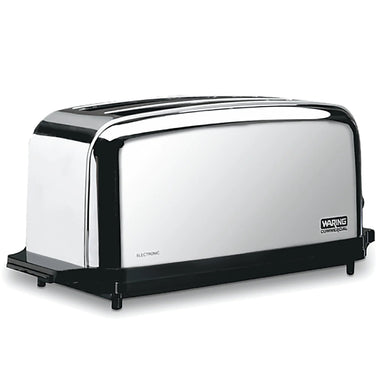
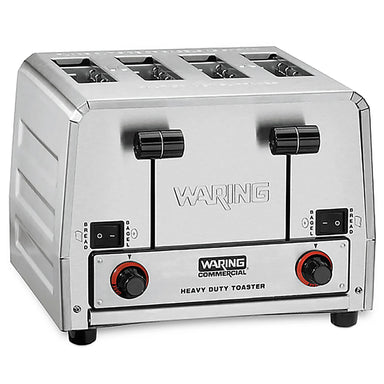
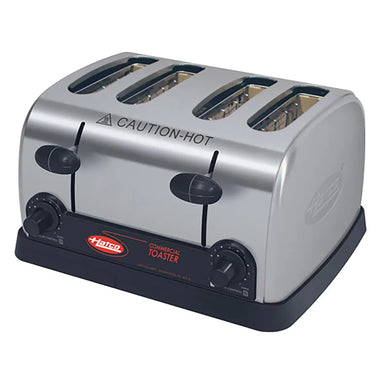
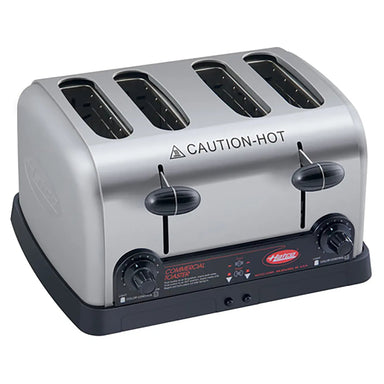
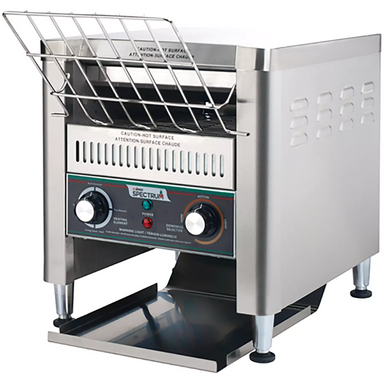
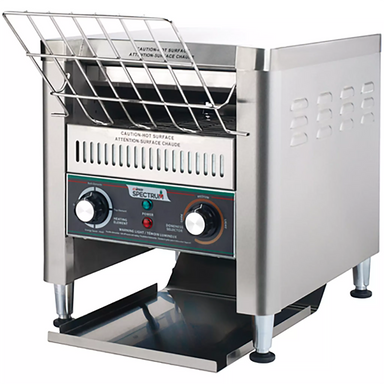
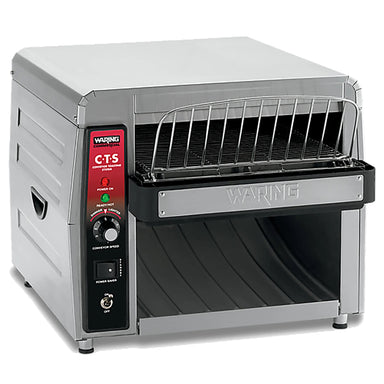
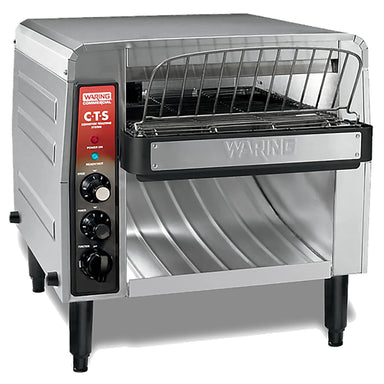
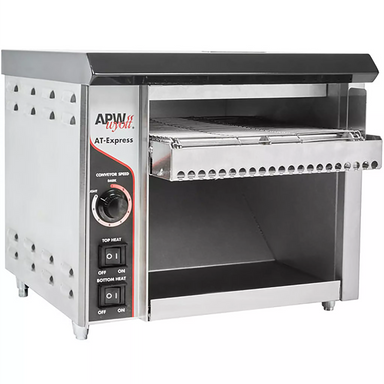
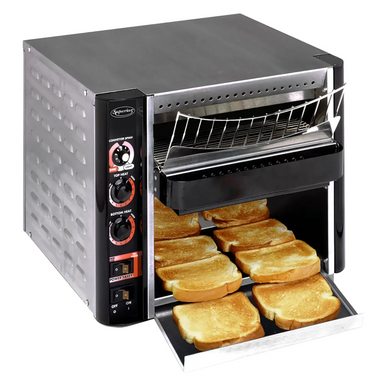
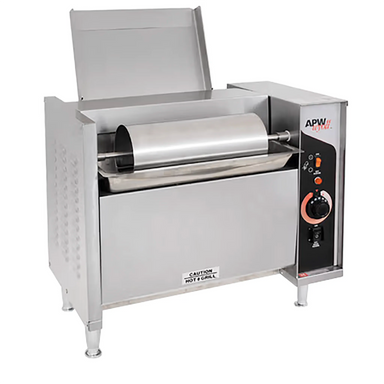
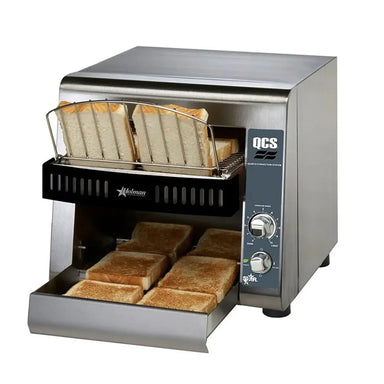
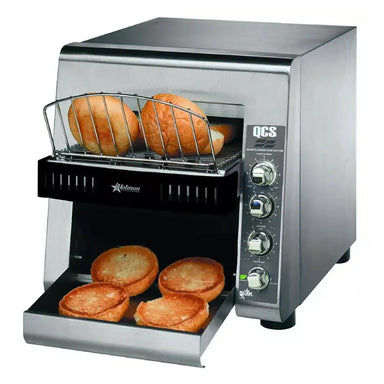
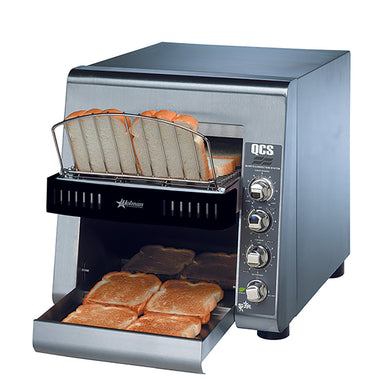
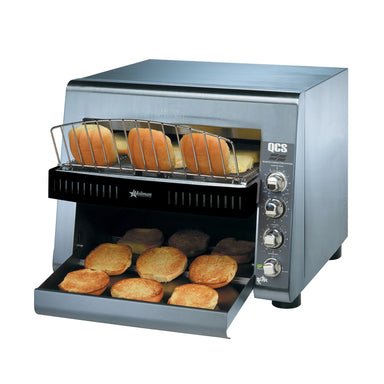
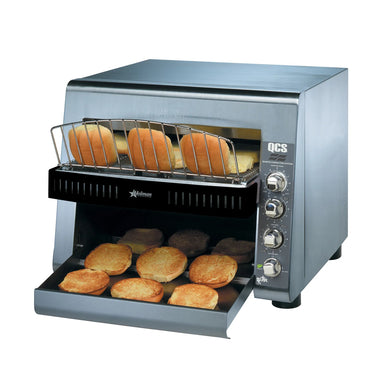
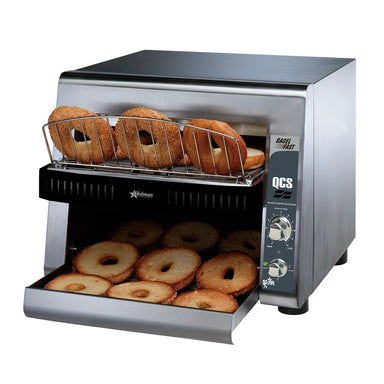
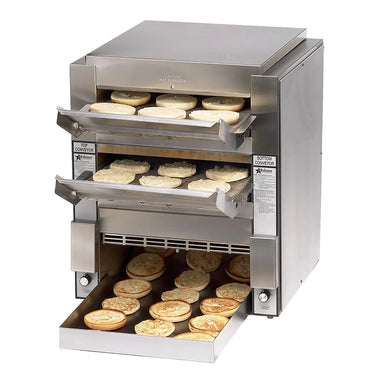
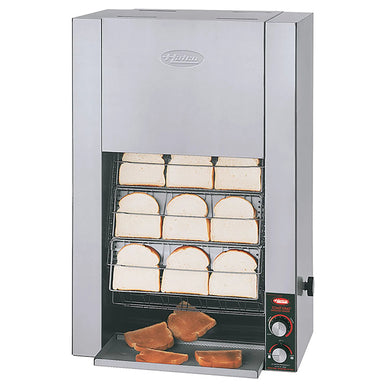
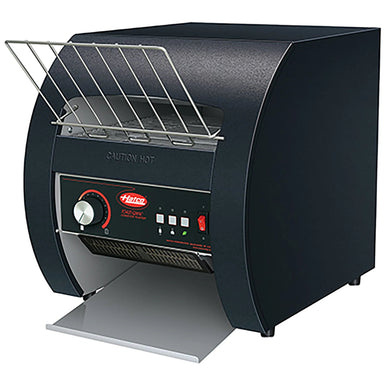
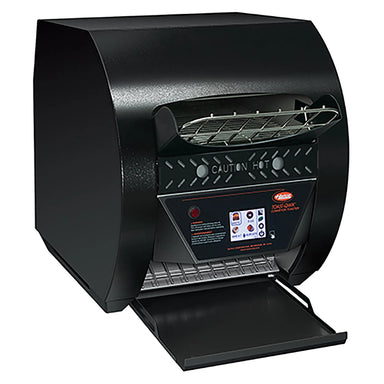
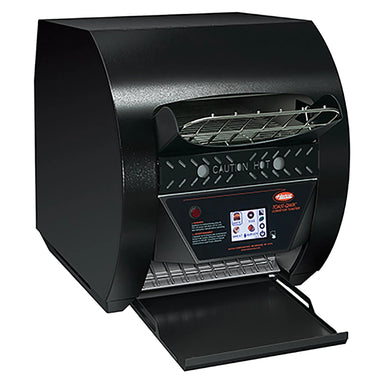
A pop-up toaster suits a small diner or cafe toasting a handful of orders at a time, but once you're pushing bagels or English muffins through a busy breakfast rush, a conveyor toaster keeps a steady stream of toast moving without anyone standing over it. Hatco carries the deepest lineup here, from compact conveyor models up to the 2,000-slice-per-hour TQ3-2000H, plus its own TPT pop-up toasters and the TK-100 vertical toaster built for buns and English muffins. Star-Holman rounds out the conveyor side with its QCS Series, scaling up to the dual-belt DT14 at 2,000 slices an hour. Waring and APW Wyott both offer pop-up and conveyor options, and APW Wyott's M-95-2 bun grill toaster is built specifically for burger and sandwich buns rather than bread slices. Winco, Hamilton Beach, and Prince Castle round out the lineup with additional conveyor, pop-up, and vertical contact options. No matter where you're located — a diner in Toronto, a bagel shop in Mississauga, or right here in Vaughan — Phoenix Food Equipment gets the right commercial toaster to you across the GTA and nationwide across Canada.

Frequently Asked Questions

Common questions we hear from operators.

What's the difference between a pop-up toaster and a conveyor toaster?

A pop-up toaster — like Hamilton Beach's Model 24855, Waring's WCT704, or Hatco's TPT-120 — works the same way as a toaster at home: drop bread into the slots and it pops up once it's done, which suits a smaller kitchen making toast in small batches. A conveyor toaster feeds bread, bagels, or English muffins through on a moving belt instead, toasting continuously without anyone loading and unloading slots by hand, which is why busier operations — hotel breakfast buffets, bagel shops, diners running a steady stream of orders — usually choose one over a pop-up model. Hatco's TQ3 Series and Star-Holman's QCS Series both cover the conveyor format across a wide output range, from a compact countertop unit up to a high-volume floor model.

What is a bun toaster, and how is it different from a regular toaster?

A bun toaster — also called a contact or vertical toaster, like APW Wyott's M-95-2, Hatco's TK-100, or Prince Castle's CTS-W — toasts both cut sides of a burger bun, bagel, or English muffin at once by pressing them against heated plates, rather than toasting a flat slice of bread with radiant heat the way a pop-up or conveyor toaster does. That contact method also puts a light char on the bun in the process, which is part of why fast food counters and high-volume breakfast kitchens use them for buns specifically instead of running buns through a regular conveyor toaster. Output is measured in halves per hour instead of slices — APW Wyott's M-95-2 handles up to 1,000 bun halves an hour, while Hatco's TK-100 and Prince Castle's CTS-W both run up to 1,200 slices an hour for open-faced items.

How many slices per hour do I need from a commercial toaster?

Toaster output is measured in slices per hour (or bun halves per hour for a contact toaster), and matching that number to your actual volume matters more than picking the biggest unit available. A smaller breakfast spot or cafe making toast to order is usually fine with a compact conveyor unit like Hatco's TQ3-10 at 250 slices an hour or Star-Holman's QCS1-350 at 350 slices an hour, while a busy diner or bagel shop running a steady breakfast rush should look at something in the 600 to 1,000 slice-per-hour range. For a hotel banquet kitchen, high-volume commissary, or 24-hour diner, Hatco's TQ3-2000H and Star-Holman's DT14 both top out at 2,000 slices an hour — more than enough for continuous, uninterrupted output during peak service. Running under your toaster's rated capacity is always fine; running short during a rush is the more expensive mistake.