Skip to content

Gas Griddles

Commercial Gas Griddles in Toronto & Canada

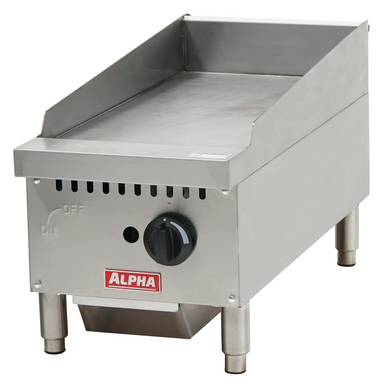
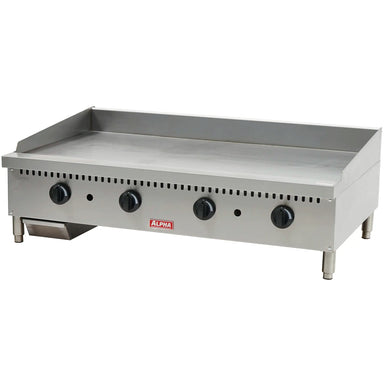
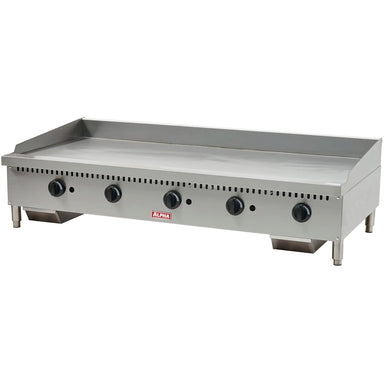
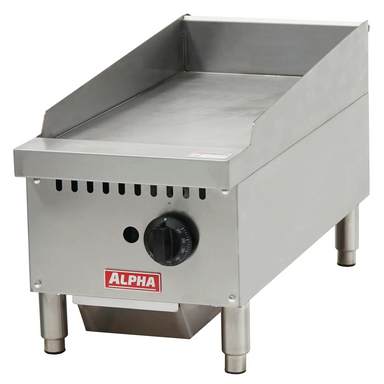
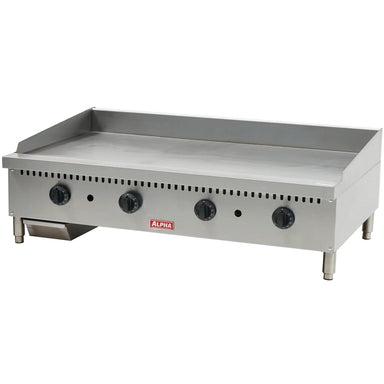
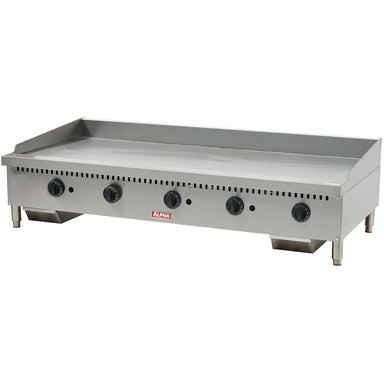
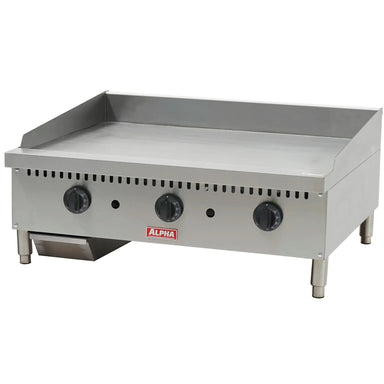
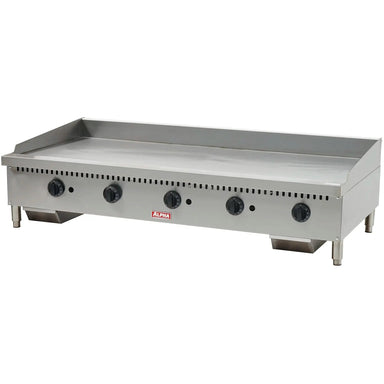
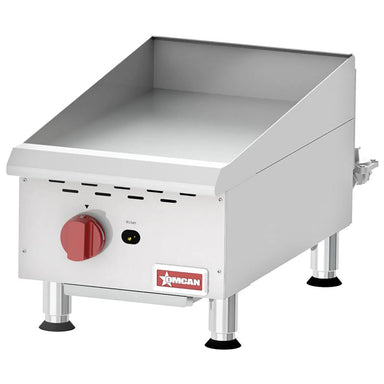
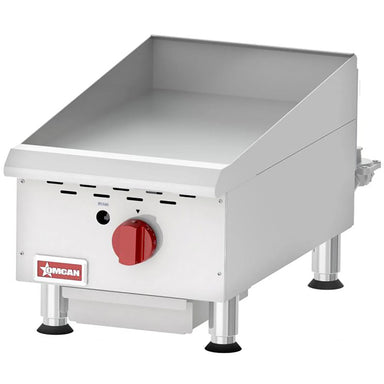
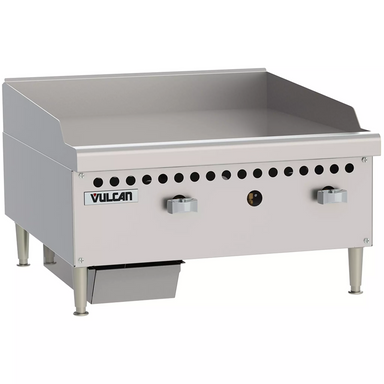
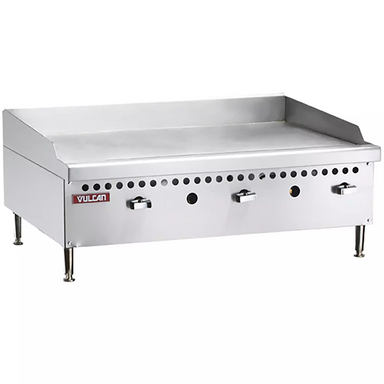
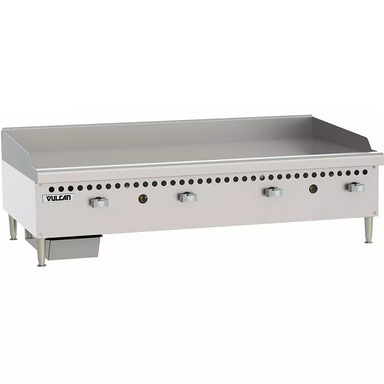
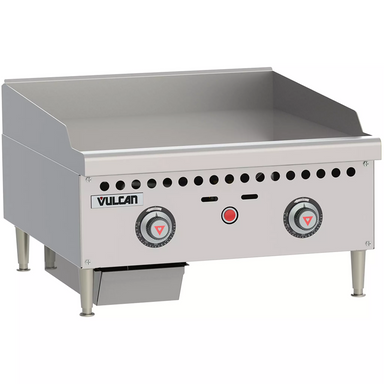
Phoenix Food Equipment's Gas Griddles collection covers commercial flat top griddles from 12" to 72" wide, built for high-volume grilling, breakfast service, or a full diner line. Alpha's AG and heavy duty AHDG Series and Atosa's ATMG, ATTG, and ATG lines both offer manual and thermostatic control griddles with 3/4" stainless steel griddle plates as standard, while Alpha's AHDG steps up to a 1" heavy duty plate for tougher volume. Vulcan's MSA, 900RX, and VCCG-AS Series scale from 24" to a full 72" wide, and American Range's ARMG and ARTG Series cover the same width range with a choice of manual or thermostatic controls. Omcan rounds out the standalone griddle lineup with a 15" model in both manual and Elite thermostatic versions. For a combined cooking line, EFI's combo cooktops pair a griddle section with a charbroiler, open burners, or both on one 24" to 60" wide unit, and Rocky Mountain Cookware makes universal add-on griddle and griddle/charbroiler plates that drop into an existing range. Serving Vaughan and the wider GTA — including Toronto, Mississauga, Brampton, and Hamilton — Phoenix Food Equipment ships commercial gas griddles nationwide across Canada.

Frequently Asked Questions

Common questions from operators buying this kind of equipment.

What's the difference between a manual and a thermostatic gas griddle?

Most griddles in this collection are available in both manual and thermostatic control versions, and the difference comes down to how precisely you can hold a temperature. A manual griddle, like Alpha's AG-M Series or Atosa's ATMG line, uses a simple adjustment knob with a heat indicator — it's straightforward and reliable, but temperature can drift a bit as the griddle cycles on and off. A thermostatic griddle, like Alpha's AG-T Series, Atosa's ATTG and ATG lines, or Vulcan's VCRG-T models, uses a thermostat to actively hold the set temperature, which matters more for a high-volume line cooking breakfast items or delicate proteins that need consistent heat batch after batch. Thermostatic control generally costs a bit more, but for a busy kitchen running the same griddle all day, the tighter temperature control usually pays for itself in fewer inconsistent orders.

What size gas griddle do I need for my restaurant?

Griddle width is really about how many items you need to cook at once during your busiest rush, and this collection runs from a compact 12" section up to a full 72" wide unit. A 12" to 24" griddle, like Alpha's AG-12M or Atosa's ATMG-24, suits a small breakfast counter or a food truck with light volume. A 36" to 48" griddle covers most mid-size diners and restaurants running a steady breakfast or burger line, while 60" and 72" griddles from Vulcan's MSA and 900RX Series or American Range's ARMG and ARTG Series are built for high-volume operations cooking multiple orders side by side. As a rule of thumb, each 12" section handles roughly one to two burger patties or a similar volume of eggs at a time, so count your busiest ticket and size up from there.

How thick should a commercial griddle plate be?

Most commercial gas griddles use a 3/4" stainless steel plate, which is the standard across Alpha's AG Series, Atosa's ATMG and ATTG lines, and most of the griddles in this collection — thick enough to hold heat evenly and recover quickly between orders. For heavier, more continuous volume, Alpha's AHDG Series steps up to a 1" heavy duty plate, which holds more heat mass and resists warping better under all-day use at a busy griddle station. A thicker plate costs more up front and takes a bit longer to preheat, so it's really a question of how many hours a day the griddle runs at full volume — a standard 3/4" plate is plenty for most restaurants, while the 1" option suits a high-turnover diner or a griddle that almost never gets to cool down.