


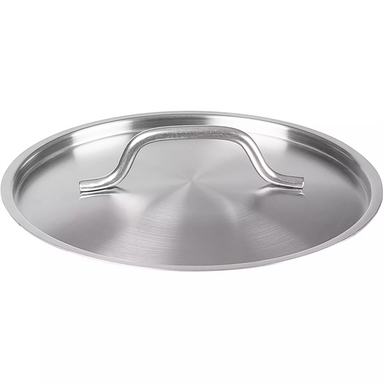
Winco
Winco 9 1/2" SSTC-8 Stainless Steel Pot & Pan Cover
Features & Specifications: Compatible with Browne 5734050 & 5734060 NSF listed
Features & Specifications: Compatible with Browne 5734050 & 5734060 NSF listed
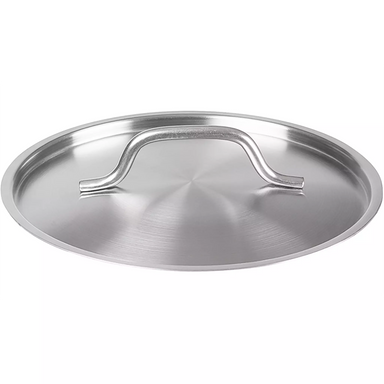
Features & Specifications: Compatible with Browne 5734051 & 5734061 NSF listed
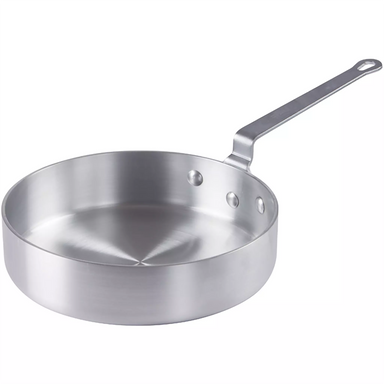
Features & Specifications: 4.0mm, 3/16″ thickness Durable 4mm thick aluminum core ensures long-lasting performance with constant heating 3003 ...
View full detailsCommon questions we hear from operators.
Size the pot to the batch you make most often, and leave a few inches at the top so it doesn't boil over. As a rough guide, a 20-quart pot holds about 60 eight-ounce servings of soup with room to spare. Smaller kitchens tend to do well with 12 to 24 qt, which both the Winco AXS Series and Browne ELEMENTS stock pots cover, while high-volume soup, stock, and batch cooking calls for something bigger. The Browne Heavy Duty Aluminum Stock Pot goes up to 80 qt with 6mm walls, and the Winco 80 Qt Stainless Steel Stock Pot With Cover is the stainless option. If you're between sizes, go up one — a bigger pot works fine for a smaller batch, but not the other way around.
It depends on what you're cooking and what you're cooking on. Aluminum heats quickly and evenly, and it's lighter and usually cheaper, which is why it's the go-to for stock pots and fry pans on gas and electric ranges. Winco's aluminum cookware is hand wash only, and standard aluminum won't work on an induction cooktop unless it has a bonded steel plate, as the AFPI Series does. Tri-ply stainless steel, like the Winco SSSP Series Stainless Steel Sauce Pan With Cover and Browne's ELEMENTS line, is induction ready and holds up better with tomato sauces, wine reductions, and other acidic foods. Many kitchens run both: aluminum for the heavy, high-heat jobs, stainless for sauces and anything cooked on induction.
A fry pan has shallow, sloped sides that make it easy to flip food and let steam escape, so it's the pan for searing, browning, and eggs. A sauté pan is deeper, typically with straighter sides and a cover, which lets it hold more food and contain liquid for pan sauces and finishing a dish in the pan. In this collection, the Winco AFP Series Natural Finish Aluminum Frying Pan and Browne ELEMENTS Stainless Steel Fry Pan are the fry pan options at 8 to 14 inches, while the Browne ELEMENTS sauté pan comes in 5 and 7 qt with a cover. For a bigger aluminum option, the Winco AXST Series Super Aluminum Sauté Pan comes in 3, 5, and 7 1/2 qt.